

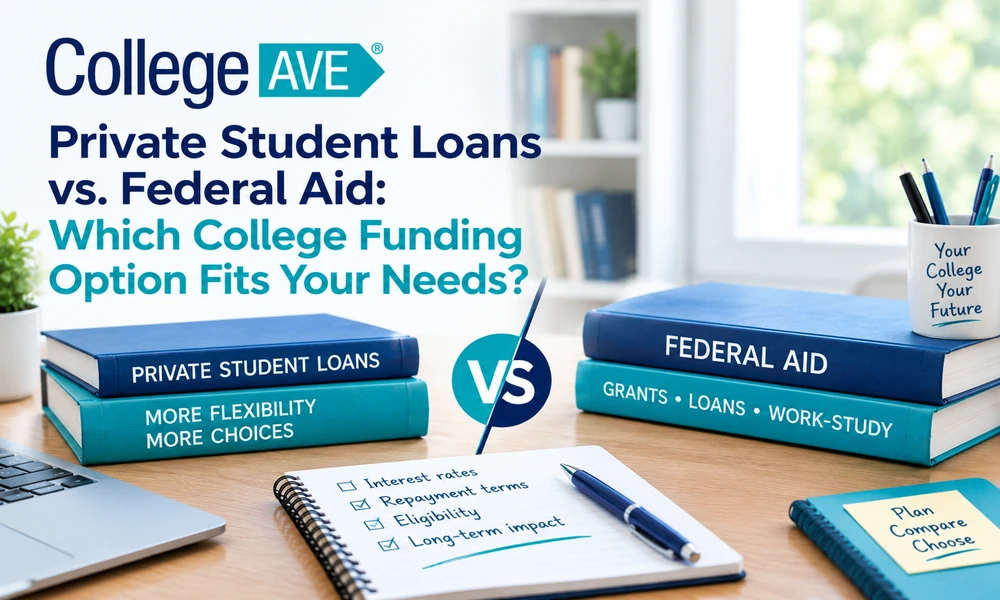
In fact, college costs can be the single most stressful period of time for students and their families. Tuition, housing, books, as well as daily costs can swiftly accumulate. While financial aid pays for much of the bill, many students still have a funding gap. In this case private student loans can appear like a great solution. But before borrowing, it is essential to learn how private loans compare with federal aid.
Start with Federal Financial Aid
For U.S. students, the first place to look is in federal aid. This can take the form of scholarships, work-study programs, and federal student loans. Grants are funding that doesn’t have to be repaid; some federal loans also offer valuable loan repayment protections.
Most federal loans have variable rates and may offer income-driven repayment plans. Certain regulations also allow some debtors to receive forgiveness.
When Private Student Loans Might Become a Good Decision
Private lenders offer education loans, usually available to students based on the lender’s eligibility guidelines. They can help fill in gaps in non-repayable aid for approved college costs.
The rates and terms can be variable nevertheless. When lenders consider personal loans, they typically look at credit history, income, and cosigner mandates. Federal loans also come with better repayment protections than private loans.
Compare the Costs Before Deciding
When you comparing private student loans vs federal aid, don’t just focus on the borrowing limits. Pay special attention as to what is the total cost at the time of repayment, and then what will rules apply.
Consider these factors:
- Interest prices: Compare fixed rate and variable fee
- Repayment choices: Review when payments start and how long they continue
- Borrower protections: Investigate relief and loan forgiveness measures
- Eligibility: This includes looking for a cosigner or age and credit requirement
Lower monthly payments do not necessarily equal less expensive loans. However, a longer repayment term can also lead to paying more interest in total.
You’ve Done the Research − Opt for Future-Sustaining Funding
Maximize the federal aid process and scholarships and grants before resorting to private student loans. Only borrow what you need, do not take the max they will grant.
Read each loan agreement carefully. Estimate future payments in light of what you expect to earn following graduation.
Which fund that suits you is determined by your requirements, qualification, as well as budget. You will easily afford college without incurring too much or any more debt, by balancing the pros and the cons of both.
