

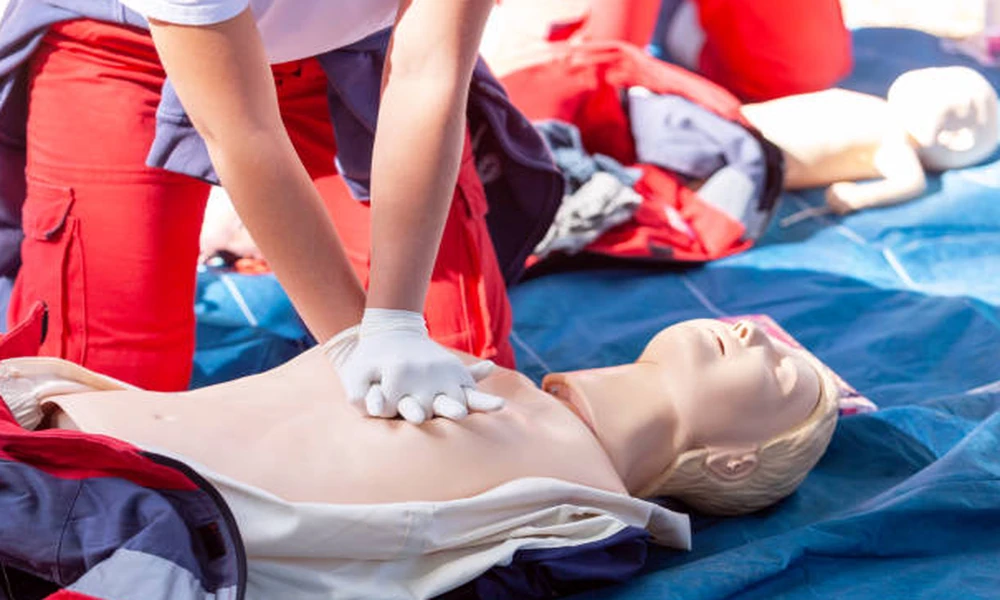
Most people know basic CPR and recovery positions from school, then forget everything within years. First aid training goes far beyond brushing up childhood knowledge. People who complete these programmes discover genuine confidence they never possessed previously. Emergency situations become manageable rather than paralyzing. The knowledge transforms how individuals respond to crises around them. Advanced first aid courses provide practical skills allowing real intervention rather than helpless observation. Workplace safety improves. Home emergencies feel less overwhelming. Communities benefit when trained individuals exist amongst everyday populations. Understanding what advanced training genuinely delivers helps people appreciate why this education matters profoundly.
Confidence Changes Everything
Untrained people witnessing emergencies often freeze. Panic clouds judgment. Uncertainty about appropriate responses prevents action entirely. Training systematically removes this paralysis through repeated practice scenarios. People learn responding correctly feels natural rather than requiring heroic courage. Muscle memory develops through simulation. Confidence builds gradually through repetition. When actual emergencies occur, trained individuals act instinctively rather than deliberating. This automatic response capability proves invaluable. Bystanders without training often wish desperately they’d known what to do. Trained individuals experience satisfaction knowing they genuinely helped.
Early Intervention Saves Time
Professional emergency responders arrive eventually, but precious minutes pass before they appear. Advanced first aid training equips people handling critical situations immediately. Early intervention during those initial minutes often determines outcomes significantly. Trained individuals stabilise conditions, manage bleeding, clear airways, and prevent deterioration. By the time paramedics arrive, situations are already improved. This early window proves absolutely crucial for many emergencies. Professional responders consistently note that early trained intervention makes remarkable differences. Communities with higher training prevalence show better outcomes for emergencies generally. The trained individuals essentially extend emergency services through early expert intervention.
Workplace Safety Improves Measurably
Organisations employing trained first aiders experience fewer serious injury outcomes. Incidents get managed appropriately immediately rather than escalating. Workplace stress reduces knowing trained personnel exist on-site. Employees feel genuinely safer. Incidents that might spiral into catastrophic situations get contained quickly. Management appreciates reduced liability exposure through proper incident response. Training creates visible safety culture affecting how everyone approaches work. Insurance companies recognise trained populations. The organisational commitment to advanced training demonstrates genuine care about employee wellbeing. This cultural shift extends beyond immediate emergency response into overall safety consciousness.
Home Life Becomes Less Terrifying
Parents worry constantly about potential emergencies involving children. Advanced training reduces this anxiety through genuine capability. Parents know they can handle choking, poisoning, injuries, or medical events competently. This knowledge changes how they parent psychologically. They supervise with confidence rather than constant fear. Extended family members appreciate having trained individuals nearby. Babysitters gain responsibility knowing trained adults remain accessible. Home environments feel safer simply through presence of trained individuals. Emergencies still create stress, but manageable stress rather than panic-inducing helplessness.
Decision-Making Improves Under Pressure
Training teaches systematic approaches to emergencies preventing common mistakes. People learn what to prioritise when multiple problems exist simultaneously. They understand when to call professional help versus managing situations independently. Decision-making frameworks become automatic. Uncertainty disappears because training provides clear protocols. Trained individuals assess situations methodically rather than reacting emotionally. This structured thinking prevents dangerous mistakes. Bystanders without training often make well-intentioned but harmful decisions. Training prevents these costly errors through clear guidance.
Communities Develop Resilience
Areas with higher advanced first aid training prevalence develop genuine community resilience. Emergencies get managed before professionals arrive. Chain reaction problems get prevented. Overall health outcomes improve subtly. Trained individuals recognise they’re part of something larger than themselves. Community pride develops around shared capability. Neighbour relationships strengthen through shared knowledge. The collective capacity to handle crises together creates social cohesion beyond emergency response itself. Communities recognise value in their own capability rather than depending entirely on professional services.
Personal Growth Transforms Perspectives
People completing advanced training discover unexpected personal transformation. Confronting mortality and capability changes how individuals view life. Priorities shift. Relationships gain appreciation. Confidence extends beyond emergency situations into general life approach. The training addresses fundamental human anxieties about helplessness. Knowing you possess genuine capability to help changes psychological baseline. This personal development ripples through all life areas. People become more engaged community members. They volunteer more frequently. They approach challenges with greater confidence generally.
Conclusion
First aid training delivers genuine life-changing capability extending far beyond emergency response. People gain confidence, decision-making clarity, and practical intervention skills transforming how they approach emergencies. Workplaces improve safety cultures. Families feel genuinely protected. Communities develop resilience collectively. Advanced first aid education represents investment in personal capability and community wellbeing simultaneously. The knowledge empowers individuals to act meaningfully when emergencies occur rather than becoming helpless observers during crises.
